How to Descale an Espresso Machine
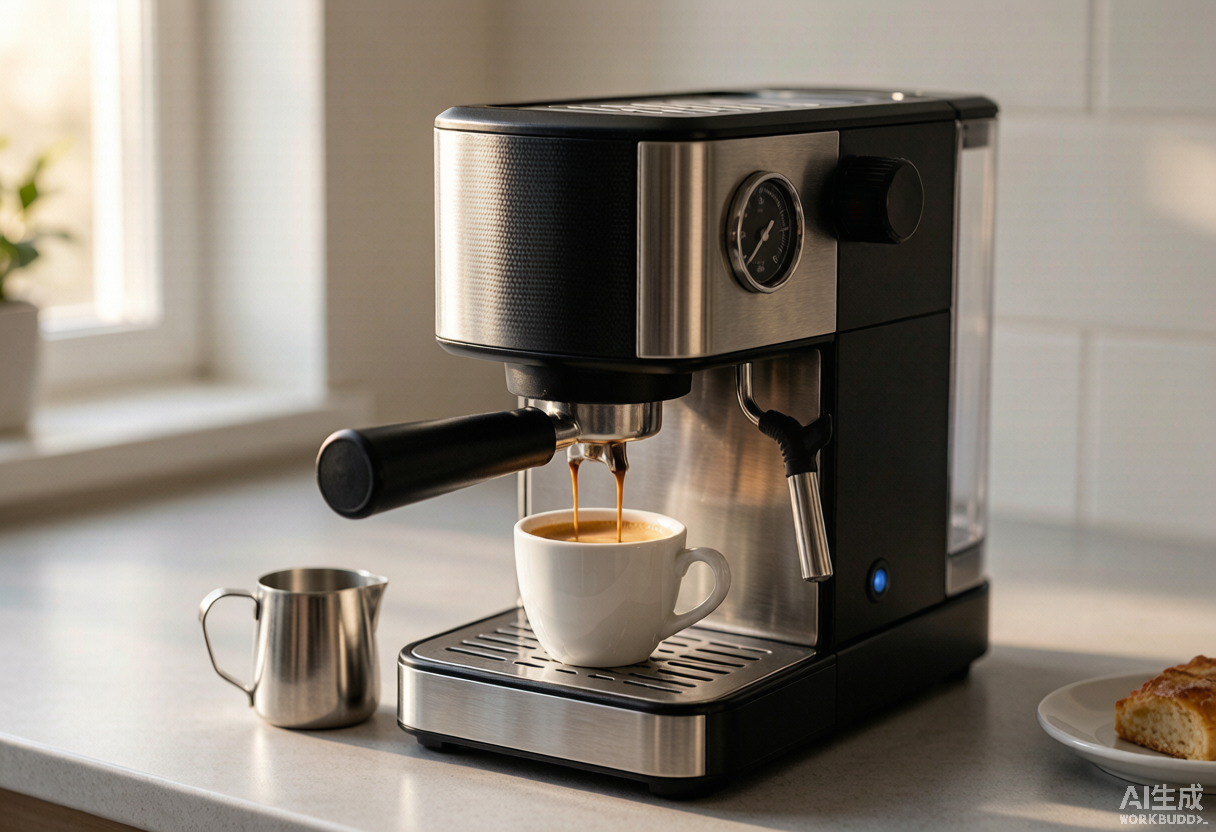
Mineral scale builds up inside your espresso machine's boiler and water lines every time you run tap water through it. Over months, it clogs pipes, lowers brew temperature, and makes your shots taste flat or burnt. Descaling every 1–3 months takes 20 minutes and keeps your machine pulling consistent shots for years.
Our top pick
Urnex Dezcal
Citric-acid powder descaler that's safe for all home espresso machines. One packet per treatment, mixes in the water tank. The industry standard for home and cafe use.
Free shipping on eligible Amazon items · 30-day easy returns · you earn on anything bought within 24h
As an Amazon Associate we earn from qualifying purchases.
Signs your machine needs descaling
You don't have to wait for the machine to tell you. Watch for these:
- Slower shot flow — a 2 oz shot used to pull in 25 seconds, now takes 40+
- Cooler shots — the espresso comes out lukewarm instead of hot
- Weaker or flatter taste — even fresh beans taste off
- Odd gurgling noises — air bubbles from clogged lines
- Weak steam — the steam wand takes longer to froth milk
How often should you descale?
| Water type | Descaling frequency |
|---|---|
| Hard tap water (above 120 ppm) | Every 4–6 weeks |
| Average tap water (60–120 ppm) | Every 2 months |
| Filtered or soft water (below 60 ppm) | Every 3–4 months |
If your machine has a built-in descale indicator light, follow it — but note it's usually conservative and triggers earlier than necessary.
Step-by-step descaling
1. Prep
Empty the water tank and remove the portafilter and drip tray. Run a blank shot (no coffee) to flush residual water. Have a container under the group head and steam wand to catch the solution.
2. Mix the descaler
Dissolve one packet of Urnex Dezcal in the water tank with warm water. Swirl to fully dissolve. Most home machines use 1 packet per 1 liter of water.
3. Run the brew cycle
Place the tank on the machine. Run the brew button for 10 seconds, pause 30 seconds, repeat. This cycles the descaler through the boiler. Do this 5–6 times. Some machines have a dedicated descale mode — if yours does, use it.
4. Run the steam wand
Open the steam wand valve for 10–15 seconds to push descaler through the steam lines. Close, wait 30 seconds, repeat. Do this 3 times.
5. Let it sit
Turn off the machine and let the descaler sit in the lines for 15–20 minutes. This gives the acid time to dissolve mineral deposits.
6. Flush thoroughly
Empty the tank, rinse it well, and refill with fresh water. Run 2–3 full tanks through the machine (both brew group and steam wand) until there's no chemical smell. This step is critical — leftover descaler will make your next shots taste bad.
Quick comparison: descalers
| Product | Why we like it | |
|---|---|---|
| Urnex Dezcal | Citric acid powder, industry standard, safe for all machines. | View → |
| Durgol Swiss Espresso | More concentrated, gentle on stainless boilers. | View → |
Urnex Dezcal
Editor's PickThe most widely used descaler in cafes. Citric acid formula, one packet per treatment, works on all home espresso machines.
- + Effective and affordable
- + Safe for stainless boilers
- + Widely available
- − Requires thorough flushing
Free shipping on eligible items
A more concentrated descaler from Switzerland. Good for premium machines where you want a gentler treatment.
- + Very effective
- + Gentle on boilers
- − More expensive per treatment
Free shipping on eligible items
Why descaling matters
Water contains minerals (calcium, magnesium) that build up inside your espresso machine's boiler and thermoblock over time. Scale acts like insulation 鈥?it slows heat transfer, makes your machine take longer to warm up, and can cause temperature swings that ruin extraction. On super-automatic machines, clogged scale can block the coffee path and trigger error lights.
How often? Every 2鈥? months for drip machines, every 1鈥? months for pump espresso machines depending on water hardness. If you live in a hard-water area, descale monthly. Use filtered or bottled water (not distilled 鈥?machines need some minerals) to slow buildup.
Step-by-step: descaling a pump espresso machine
1. Empty the drip tray and water reservoir. Remove the portafilter and any basket.
2. Mix descaling solution per the manufacturer's instructions 鈥?usually 1 part solution to 4 parts water. Do not use vinegar; it smells terrible and can damage seals. Use a proper descaler like Dezcal or the manufacturer's branded solution.
3. Pour the solution into the water reservoir. Place a large container under the group head and steam wand.
4. Run the machine: turn it on, let it heat, then run 30 seconds of water through the group head, pause 30 seconds, repeat. Do this 4鈥? times. Then open the steam wand valve for 30 seconds to flush that circuit.
5. Let the machine sit for 10鈥?5 minutes so the solution dissolves scale in the boiler.
6. Empty the reservoir, rinse it thoroughly, and fill with clean fresh water. Run 2鈥? full tanks of clean water through the group head and steam wand to rinse. Taste the last cup 鈥?no soapy or chemical taste should remain.
Super-automatic machines
Super-automatics have a descaling program 鈥?follow the on-screen prompts. The machine will walk you through the cycle automatically. Never interrupt a super-auto descaling cycle; it can leave solution in the internal lines.
FAQ
Can I use vinegar to descale?
No. Vinegar leaves a strong smell and aftertaste that's hard to rinse out, and the acid can degrade rubber seals over time. Use a citric-acid or lactic-acid descaler designed for espresso machines.
How do I know if my machine needs descaling?
Signs: longer warm-up time, unstable brew temperature, slower water flow, smaller espresso shots, or an on-screen descale alert. Scale buildup is gradual 鈥?most people notice it after 2鈥? months of neglect.
Should I use filtered water?
Yes 鈥?filtered or soft bottled water slows scale buildup. Avoid distilled water (it's too aggressive on metal components) and hard tap water (it scales fast). A TDS meter under 100 ppm is ideal for espresso.
Can I over-descale?
No 鈥?descaling more often is harmless, just wasteful. The cycle uses water and solution; doing it monthly is fine if you have hard water. Doing it weekly won't damage the machine.
Ready to start brewing better?
Our top pick for this guide — check today’s price and clip any on-page coupon on Amazon:
As an Amazon Associate we earn from qualifying purchases.
Want exact doses? Use our free brew calculators.