Mason Jar Cold Brew Maker Review (2026)
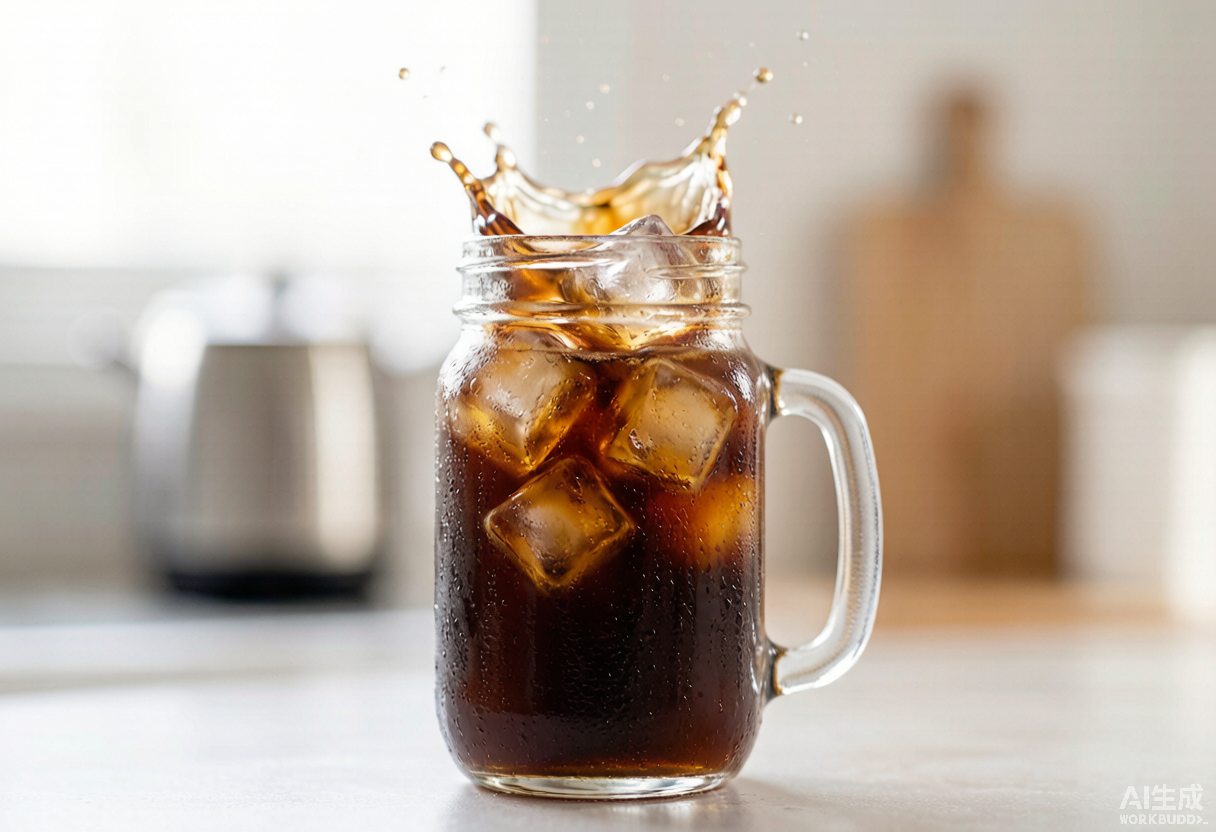
Cold brew is the easiest coffee there is — no technique, just coffee, water and time — and the mason jar system makes it possible for the price of a lunch. Here's the honest look at what it does, what it doesn't, and who should buy it.
How we evaluate: we assess gear through published specs, aggregated owner feedback across thousands of Amazon reviews, and use-case fit — not lab testing. We only recommend products we would buy ourselves. Prices and availability change; always check the current listing.
Bottom line
Mason Jar Cold Brew
The cheapest, simplest path to smooth, sweet cold brew at home. A glass jar, a stainless filter, 12-24 hours, and you're done. Its limits are honest: about 2-3 servings per batch, a filter that lets some fine grounds through, and glass that needs careful handling. For the price, that's a fair trade.
Check today’s price on Amazon →
Free shipping on eligible Amazon items · 30-day easy returns
As an Amazon Associate we earn from qualifying purchases.
At a glance
| Capacity | About 1 L / 32 oz jar |
| Brew yield | Roughly 2-3 servings per batch |
| Materials | Glass jar + stainless steel mesh filter |
| Brew time | 12-24 hours in the fridge |
| Ratio | Roughly 1:8 coffee to water |
| Storage | Refrigerated, keeps 7-10 days |
Pros
- + Dead simple — zero technique, zero equipment beyond the jar
- + Cold brew's natural sweetness means no sugar needed for most drinkers
- + Very affordable; the cheapest entry into cold brew
- + Looks good on a shelf or in the office fridge
- + Batch keeps up to a week — brew once, drink for days
Cons
- − Small yield — 2-3 servings per batch, so weekly re-brewing
- − Fine mesh still lets some silt through (brew through a filter if it bothers you)
- − Glass jar needs careful handling — not travel-friendly
- − Requires coarsely ground beans for best results (or buy pre-ground cold brew blend)
Best for
Solo drinkers and small households who want smooth cold brew without buying a dedicated brewer — and anyone who wants to test whether they even like cold brew before spending more.
Deep dive
Cold brew's appeal is chemical: steeping coffee in cold water for 12-24 hours extracts sweetness and low-acidity flavors while largely skipping the bitterness that hot brewing pulls out. The result is a smooth, naturally sweet concentrate that drinks great black or with milk. The mason jar system is simply the lowest-friction container for that process: grounds in the filter, water in the jar, fridge, wait.
The yield math is the practical constraint: a 1 L jar with a 1:8 ratio produces about 2-3 concentrated servings (diluted 1:1 or 2:1 with water or milk). That's a batch every few days for a single drinker — manageable, but you'll re-brew weekly rather than bi-weekly. If you're brewing for a household, a larger cold brew maker or a 2 L jar is worth the upgrade.
The honest annoyances: the fine mesh filter retains most grounds but not all — expect a little silt at the bottom of the jar, easily avoided by pouring through a paper filter or letting it settle. And coarsely ground beans matter: fine grounds over-extract and turn cloudy and bitter. Buy 'coarse' grind or a cold brew blend, or grind coarse if you have a grinder.
Value judgment: this is the right first cold brew purchase — it tests the habit for $20 before committing to a $50+ dedicated brewer or a fridge pitcher. If you discover you're a daily cold brew drinker, upgrade later. Most people who try cold brew here end up making it a summer staple.
How it compares
| vs | Why it matters |
|---|---|
| vs a dedicated cold brew maker ($30-60) | Larger capacity and often a finer filter. The mason jar makes the same drink at half the price — capacity and convenience are the only real upgrades. |
| vs French press cold brew | Free if you own a press — same immersion principle. But it ties up the press for 12-24 hours and the press filter is coarser. The jar system is dedicated and cheaper. |
| vs cold brew concentrate bottles | Pre-made concentrate costs $8-12 per bottle for what the jar makes for ~$4 of beans. The jar wins on price; the bottle wins on zero effort. |
FAQ
What ratio should I use?
About 1:8 (coffee to water) for a balanced concentrate, or 1:5 for a stronger one you dilute. Start at 1:8.
How long does it steep?
12-24 hours in the fridge. 12 is mellow; 24 is stronger and slightly more bitter. Find your window and stay consistent.
How long does cold brew keep?
Refrigerated in a sealed jar, 7-10 days — far longer than hot-brewed coffee. That's the other reason it's worth a batch.
Why is mine cloudy and bitter?
Almost always too-fine grounds. Use coarse grind and don't over-steep past 24 hours.
Ready to buy?
Our verdict on this pick — check today’s price and clip any on-page coupon on Amazon:
Mason Jar Cold Brew
The cheapest, simplest path to smooth, sweet cold brew at home. A glass jar, a stainless filter, 12-24 hours, and you're done. Its limits are honest: about 2-3 servings per batch, a filter that lets some fine grounds through, and glass that needs careful handling. For the price, that's a fair trade.
As an Amazon Associate we earn from qualifying purchases.
Want exact doses? Use our free brew calculators.