Best Brazilian Coffee Beans
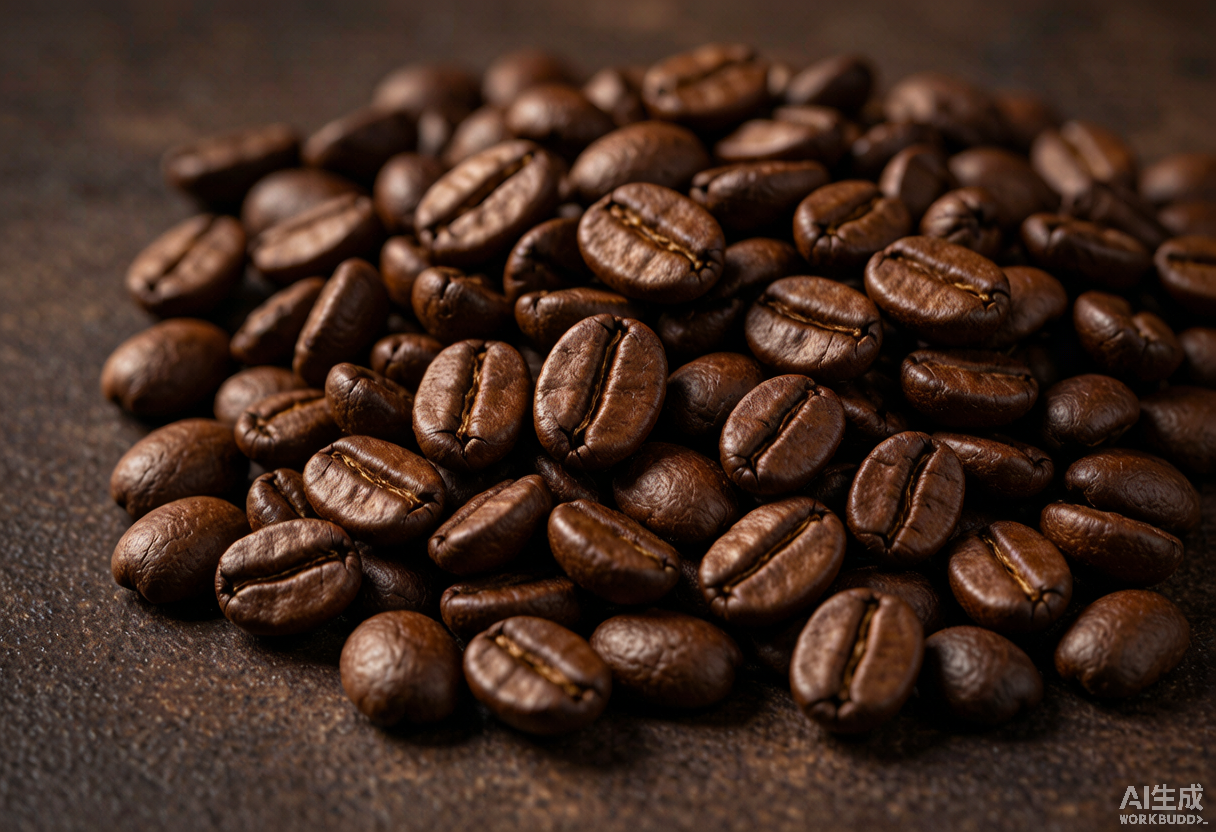
Brazilian beans are the workhorse of espresso - low acidity, big body, peanut-and-chocolate sweetness. Often 30-50% of a house blend.
Our top pick
Cerrado Brazil
Nutty, chocolatey Brazilian for espresso.
Free shipping on eligible Amazon items · 30-day easy returns · you earn on anything bought within 24h
As an Amazon Associate we earn from qualifying purchases.
Editorial note: this guide reflects our home barista experience, manufacturer specifications, and aggregated owner feedback. We test gear at home, update recommendations regularly, and link to official manuals where relevant.
What makes Brazilian coffee different
Brazil is the world's largest coffee producer, and its beans are known for low acidity, nutty and chocolatey notes, and a smooth, mellow body — the opposite of bright, tangy African coffees. Most Brazilian beans are natural-processed (dried in their fruit), which gives them that sweet, chocolatey profile. They're an excellent choice for people who find Ethiopian or Kenyan coffees too acidic, and they work well with milk-based drinks like lattes and cortados.
Look for "Cerrado" or "Santos" on the bag — these are the classic Brazilian growing regions. For pour-over, a medium roast brings out the chocolate; for espresso, a darker roast adds body and reduces acidity further.
Why Brazilian coffee is the backbone of espresso
Brazil produces one-third of the world coffee supply, and its beans are the backbone of most commercial espresso blends. Brazilian coffees are naturally processed, which gives them a nutty, chocolatey, low-acid profile. This is why they work so well in espresso - the low acidity prevents bitter shots, and the nuttiness rounds out the crema.
Look for Brazilian Cerrado or Mogiana on the bag. For espresso, choose a medium-dark roast - Brazilian beans can taste grassy if roasted too light. For pour-over, a medium roast works but expect a mild cup compared to African origins. Brazilian beans are also a budget-friendly entry point for single-origin coffee.
Quick comparison
| Pick | Why we like it | |
|---|---|---|
| Cerrado Brazil | Nutty, chocolatey Brazilian for espresso. | View → |
| Volcanica Brazil | Single-origin Cerrado with a clean finish. | View → |
| AmazonFresh Brazil | Cheap everyday Brazilian dark roast. | View → |
Cerrado Brazil
Editor’s PickNutty, chocolatey Brazilian for espresso.
- + Nutty
- + Low-acid
- + Espresso-ready
- − Simple
Free shipping on eligible items
Single-origin Cerrado with a clean finish.
- + Clean
- + Sweet
- + Quality
- − Pricey
Free shipping on eligible items
Cheap everyday Brazilian dark roast.
- + Cheap
- + Bold
- + Smooth
- − Basic
Free shipping on eligible items
What Brazilian coffee tastes like
Brazil is the world's largest coffee producer, accounting for 35% of global supply. Brazilian coffee is known for: low acidity, medium body, nutty and chocolate notes, and a smooth, mellow profile. It's the "breakfast blend" workhorse - not bright or fruity like Ethiopian or Kenyan beans, but reliable and approachable.
Best Brazilian regions and profiles
Cerrado Mineiro: The most famous region. Nutty, chocolatey, low acid. Medium roast is the standard - it's what you taste in most Italian espresso blends.
Sul de Minas: Slightly sweeter, with caramel notes. Good for pour-over at light roast.
Bahia: Larger, more commercial production. Often used in blends. Less distinctive.
How to brew Brazilian beans
Brazilian beans shine at medium roast in espresso blends (they provide body and sweetness). For pour-over, a light-medium roast reveals caramel and peanut notes. French press works well - the low acidity and full body stand up to immersion brewing. Avoid dark roasting Brazilian beans - they turn bitter and ashy.
Buying advice
Use Brazilian as your espresso base at 1:2; it pulls sweet and forgiving. Medium-dark to dark roast suits it best.
FAQ
Is Brazilian coffee robusta or arabica?
90% is arabica. Brazil grows mostly Cerrado and Bourbon varieties. Robusta is grown in smaller quantities, mainly for instant coffee.
Brazilian vs Colombian coffee?
Brazilian is lower acid, nuttier, and heavier-bodied. Colombian is brighter, fruitier, with caramel and citrus notes. Brazilian is the "smooth" option; Colombian is the "bright" option.
Is Brazilian coffee good for espresso?
Yes - it's the backbone of most Italian espresso blends. Brazilian beans provide body and crema. A 100% Brazilian espresso is smooth and chocolatey but less complex than a blend.
Ready to start brewing better?
Our top pick for this guide — check today’s price and clip any on-page coupon on Amazon:
As an Amazon Associate we earn from qualifying purchases.
Want exact doses? Use our free brew calculators.