Best Coffee Beings for Espresso
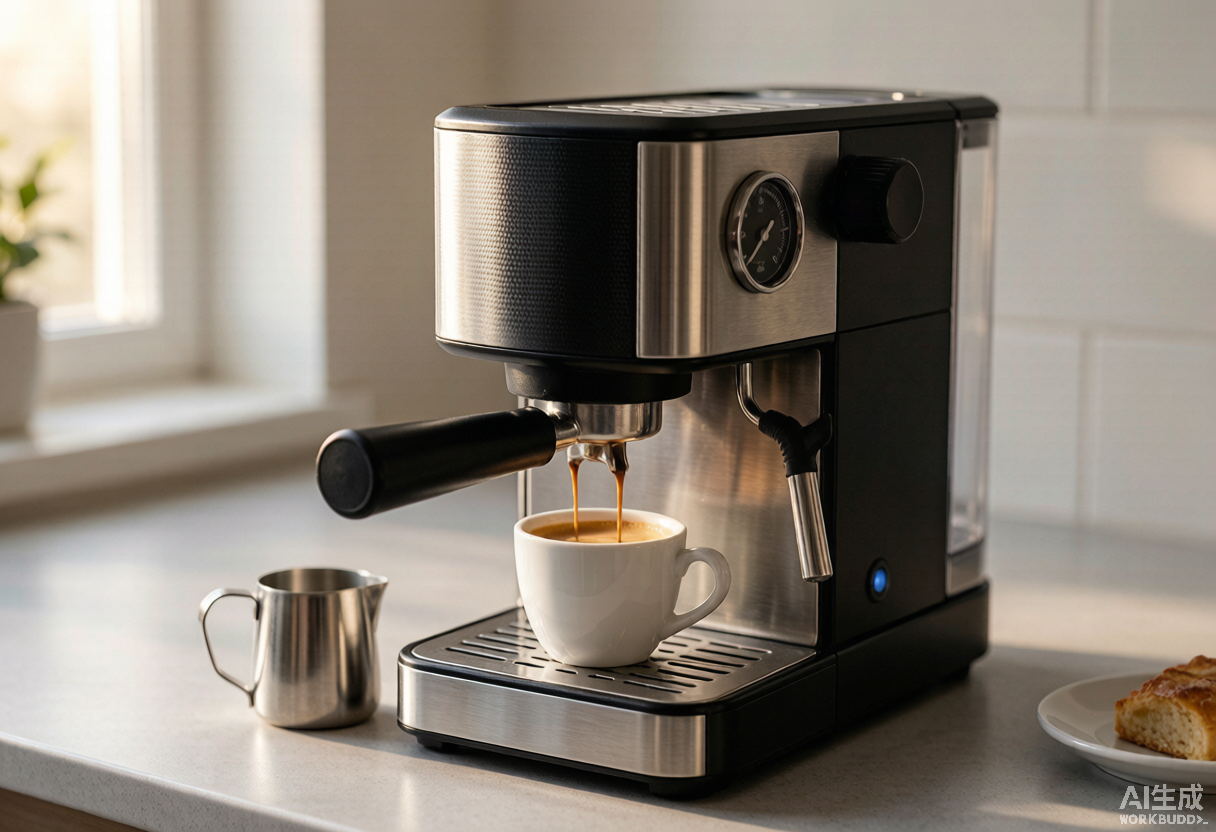
Not every bean makes good espresso. Light roasts can taste sour under pressure, and stale beans refuse to build crema. For beginners, medium-to-medium-dark blends designed for espresso are the easiest path to a sweet, balanced shot. This guide explains what to look for and which bags are forgiving.
Our top pick
Medium-dark espresso blend
Free shipping on eligible Amazon items · 30-day easy returns · you earn on anything bought within 24h
As an Amazon Associate we earn from qualifying purchases.
Editorial note: this guide is compiled from published manufacturer guidance, general best practices, and aggregated owner experience — not hands-on testing. Always follow your machine’s official manual.
Quick comparison
| Pick | Why we like it | |
|---|---|---|
| Medium-dark espresso blend | View → | |
| Whole-bean (roast-date bag) | View → |
Medium-dark espresso blend
Editor’s Pick- + Forgiving
- − Less 'origin' character
Free shipping on eligible items
Buying advice
Freshness rules espresso: beans older than 4–6 weeks lose crema and go flat. Always buy whole bean and grind right before pulling — a good espresso grinder (see our grinder guide) is non-negotiable. Start at a 1:2 ratio (18 g in / 36 g out) and adjust by taste.
FAQ
What roast is best for espresso?
Medium to medium-dark for beginners — they pull sweet and forgiving. Light roasts are trendy but sour and hard to dial in without experience.
Whole bean or pre-ground for espresso?
Always whole bean. Espresso needs a fresh, fine, consistent grind you can only get from a real grinder; pre-ground cannot build proper pressure or crema.
Ready to start brewing better?
Our top pick for this guide — check today’s price and clip any on-page coupon on Amazon:
As an Amazon Associate we earn from qualifying purchases.
Want exact doses? Use our free brew calculators.